Blog I
Blog I contents:
- The BAD GUYS by Aaron Blabey
- FLOTSAM by David Wiesner
- Henry & the Buccaneer Bunnies by Carolyn Crimi
- The House of Memories by Benjamin Hulme-Cross
- I Survived The Japanese Tsunami, 2011
- I, Too, Am American by Langston Hughes
- Interrupting Chicken by David Ezra Stein
- Little Red and the Very Hungry Lion by Alex Smith
- Misunderstood Shark by Ame Dyckman
- New Kid by Jerry Craft
- No More Poems! A Book in Verse that just gets Worse! by Rhett Miller
- The Poky Little Puppy by Kristen Depken
- Police Officers by Cari Meister
- The Runaway Piggy | El Cochinito Fugitivo by James Luna
- Who Were The Beatles? by Geoff Edgers
The BAD GUYS by Aaron Blabey
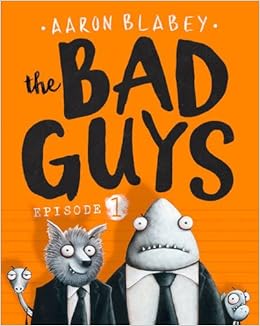
Evaluation of book: Aaron Blabey plays on the world-known "bad guys" in his animal characters in this graphic novel. His use of the Wolf telling the story, sharing his "buddies" with the reader, lets us feel as if we are getting to know the animals in a different way. They have a new lease on life. The realistic-looking police reports move along the readers' knowledge of the background information of the characters and allows us to feel as if we are involved in their lives.
The readers' taste in the book overrides the quality in the book's text in this case. This book will be well received from young readers in laughing at the anecdotes of the characters. The graphic novel way of the book is enticing to young readers. The dialogue is hilarious! The book includes words that might seem "risky" to really young readers, hence pulling interest even closer. When a book uses the word stupid and butt and has characters calling each other out about farting, it really is a great read in young eyes!
The black and white pencil-type drawings are fun to look at and see all the details. This type of illustrations allows for us to really "see" the characters without being overwhelmed by colors and backgrounds. The characters are the main interest of the book, therefore there is no need for the background and locations to be included in the illustrations as much.
Justification: This book is not on any award lists. Even at CommonSenseMedia, many users rate it 3 stars or less out of 5. Many of the reviews say that it includes "potty humor" but all said the book was very engaging for their children. I believe that a positive response from readers is always more important to young readers than award-winning writing or illustrations.
Conclusion: This first book out of the series will have students hooked on "reading" through the black and white drawings mixed with typed "police reports" that introduce each character, sharing information through the text to build up the "bad guy" reputation. Kids will laugh and love reading these.
Citation: Blabey, A. (2017). The bad guys. New York: Scholastic, Inc.
FLOTSAM by David Wiesner

Evaluation of book: This wordless book surprisingly tells a very deep, detailed story of a boy that finds a camera that tells the adventures the past owner went through at the beach. The illustrations on the pages leave nothing empty...including our minds as readers. Some pages are full spreads, showing all details needed for any type of reading we want to imagine. Other pages are split into graphic novel type squares and rectangles that need to be read sequentially.
The illustrations could be "read" as simple as needed for the youngest of readers, and then can be taken into stories told through the adventures pictured as detailed as the reader's mind can take them. The plot is completely advanced through illustrations. There are no words to reveal any development. This is a book that will be "read" again and again as new elements of the story will "show up" as more details in the illustrations. I think the story that can be read through the illustrations would be different each time it is read.
The pictures in this wordless book provide many details that are not necessarily related to the main story being told. There is a section of the book that takes the reader into a fantasy-type adventure as the camera may see as it travels to the next child to find it on the beach. As readers "read" through the pages, it can be taken to whatever genre their imagination flows.
Justification: David Wiesner is the winner of the Caldecott Medal with this wordless book. This story and book can be enjoyed by MANY ages, as it can be taken to different levels of story elements as the age of the reader notices different things.
Conclusion: The book tells a story without text. The award-winning illustrations are very captivating to anyone that gets their hands on this book. The book can read in many different ways, as simple as a toddler can "read" or an in-depth story about history and stories that are told by the ocean.
Citation: Wiesner, D. (2006). Flotsam. New York: Houghton Mifflin Co.
Henry & the Buccaneer Bunnies by Carolyn Crimi

Evaluation of book: Carolyn Crimi writes through the point of view of a narrator, telling a story of the scariest pirate in the land and his very personality-contrasting son that only enjoys reading books. The illustrations set the tone for a hilarious and very detailed setting and characters surrounding Henry reading instead of making enemies walk the plank. The detailed illustrations add to the simple plot of contrasting characters, an extreme storm, and who will save the day?
The subject-specific vocabulary will enrich the young readers' vocabulary. We are introduced to "Shiver me timbers" and "Toss em overboard!" The formatting of the dialogue on the page helps readers to understand the concept of reading with inflection. The use of quotation marks and dialogue are wonderful for oral reading and independent reading.
The plot in the book is detailed enough to take us through an adventure. I did not believe it was too predictable or too easy to figure out what the climax might be. Many children's books are traditional in the plot scheme, but this one seems to really have a wonderful turn and lesson teachable through Henry.
Justification: This book was chosen as a model text to be used again and again with young readers by Amarillo ISD's curriculum leaders. The book has literary elements that blow other juvenile books out of the water. The book's plot includes a wonderful lesson on how reading is important.
Conclusion: The illustrations and text take us all on an adventure through new words and phrases. This book walks readers though a great plotline, predictable ending, and a fun-loving lesson learned about reading being important and can save the day!
Citation: Crimi, C. (2005). Henry & the buccaneer bunnies. Cambridge, Massachusetts: Candlewick Press.
The House of Memories by Benjamin Hulme-Cross

Evaluation of book: The tension Hulme-Cross creates with the mention of strange spider tattoos at the beginning of the book makes the readers want to continue reading to find out what the connection is. The characters’ tattoos itch to create a foreshadow for the readers. These, along with the description of the setting the reader can see in their mind create a creepy mood from the beginning.
The dialogue between the characters helps move the plot along. They are alone, in a spooky, quiet place, so the whispers and conversation between the children and their “father” shows truths, emotions and feelings that keep up captivated. The third person narration calls for the characters to speak out their inner thoughts and questions in order for us to follow what they are thinking.
Images in the book are black and white. They do not appear on each page, just when the author and illustrator want to add to the scene. The illustrations help restate what is being told in the book. They reinforce the story and help with the mood. The tattooed hand appears 14 times in a short book that helps keep the foreshadow in mind. Some pages are covered with creepy, crawly spiders! Spooky!
Justification: This book is the first book to a series eight of Dark Hunter books.
The book cover is captivating and will for sure be of high interest to young readers.
Horror is always a popular section. One of the main characters is named Mr. Blood.
Interest in being scared and sharing “around the campfire” type stories justifies this book
and the rest in its series in a collection.
Conclusion: This is a great start to a spooky series with a narrator that lets us in on just
enough of the story to keep us captivated until the end.
Citation: Hulme-Cross, B. (2013). The house of memories. Minneapolis: Darby Creek.
I Survived The Japanese Tsunami, 2011
Evaluation of book: The fictional character of Ben and his family are a great example of historical fiction. The truth of the event is told by a narrator, centering on Ben and his memories of his dad is a great use of limited omniscient third-person narration. This allows the reader to know Ben’s inner thoughts before, during and after the tsunami.
The book starts right in the action of the tsunami, to give the reader the engagement to want to keep reading, but then timestamps the latter chapters previous to the devastation. I loved that I could go back to see what time and day it was when the first chapter happened in order to get my mind straight while reading what happened prior. The story of family and traveling really helped the understanding of the main character not being familiar with what was happening also.
The illustrations help develop the readers’ understanding of the setting. Many of us cannot picture the small village of Shogahama, Japan. The illustrations are placed sparsely throughout the book, as it is not a picture book, but seem to be in just the right place to add to the readers’ understanding. The illustrations also reinforce the ethnicity of the characters and at times, they really help pinpoint the emotions of the characters during the tragic event.
Justification: Informational books telling the story of historical events from a 3rd person point of view are very educational. This is the justification for this book. The I SURVIVED series are always popular among students also. They are easy reads and include fact pages in the back of each book. The stories are told with fictional characters but include truth about the event throughout.
Conclusion: For a topic that American children are not familiar with, the third person point of view here of a child of the age that we can call connect with is great to read. The author telling the true facts, including love of family and even a cat really captures our attention to the devastation here.
Citation: Tarshis, L. (2013). I survived the Japanese Tsunami, 2011. New York,: Scholastic Inc.

I, Too, Am American by Langston Hughes

Evaluation of book: The text in the book is a very short, but powerful poem by the well-known Langston Hughes. The poem was first copyrighted in 1925, so the writing is not new, but has since been illustrated by Bryan Collier in 2012. Langston's poem is generic in the subject being the darker gentleman, being asked to eat in the kitchen, but ends in the understanding that someday, "tomorrow," people will be ashamed and recognize how beautiful he/life really is.
In the "Illustrator's Note" at the end of the illustrated version of the poem, Collier explains that he put a story to the words through his illustrations. He saw Langston's poem as telling the story of the Pullman porters that worked so hard and were treated badly just because the color of their skin. His illustrations, sometimes on a page or a spread in the book without accompanying text, develop the characters and help develop the plot. The smiles on the characters' faces, although in a bad situation, shows hope and a positive outlook for the future. The illustrations are so amazing that I felt like I could see the heart and soul of the young characters that are sharing the message at the end of the book. The words in the poem really do not reveal the setting or the character's actions as the poem reads on, but the illustrations fill in the information for us.
The mood created by the point-of-view from the speaker in the poem is portrayed with short, meaningful phrases. The frank statements by Langston create a strong protest and a mood of "You just wait and see" feeling. The book will give you goosebumps. I had not ever read the poem without the now accompanying illustrations, so I know for sure the illustrations add to atmosphere of the mood also. The illustrations of the characters and the plot developing through the images help the hopeful meaning come through. The 1st person character changes in the illustrations as the poem progresses from protest of racism to the unknown, but confident and positive view for the future.
Justification: As soon as I saw the author of this book, I just knew it would be amazing. I did not have to find it on a recommended book list at all. But with that said, it was a Coretta Scott King Award winner in 2013. This award is given to African American authors and illustrators for showing appreciation to the African American culture and human values. In this case, the illustrator, Bryan Collier, was awarded for the craft of illustrations he added to Mr. Hughes' poem.
Conclusion: A well-known author and award-winning illustrations tell and retell the importance of the African American optimism during the times of slavery and racism. The illustrator proves that a meaningful message written almost 100 years ago can still be relevant in modern times. The illustrator proves that a story can be told through the overarching message of the short, but strongly worded poem.
Citation: Hughes, L. (2012). I, too, am America. New York: Simon & Schuster Books for Young Readers.
Interrupting Chicken by David Ezra Stein

Evaluation of book: This sweet ending will melt your heart. The author-illustrator makes his audience fall in love with the characters through the tone and lightheartedness of the story told through text and wonderful illustrations. The images almost look like watercolor paintings with a mix of media when the father in the book is reading traditional bedtime tales. The mixture of illustrations keeps us engaged for sure. The details of the setting are established only through the illustrations. The shadowing enhances the time of evening for the stories before bed. Readers only understand the end of the story through the images in the book, thus we can say the illustrations reveal the complexity of the plot.
Color in the illustrations of the setting reveal present day. The pages that share the "old" stories being told are more achromatic and the font reveals a different story being told within the story. The contrast between the vibrant red of the chicken interrupting really stands out in the middle of the traditional tales.
The dialogue between the father and son is hilarious to young readers and very familiar and connectable to parents reading with their kids. The father in the story is sharing traditional bedtime tales and the young chicken interrupts each story with knowing the end of each. The dialogue reveals patience in the father and intelligence and a meaningful relationship from the son.
Justification: This title written and illustrated by David Ezra Stein is a Caldecott Honor book. It received the honor in 2011. The Caldecott award is awarded to illustrators that contribute to the juvenile book collection with outstanding illustrations. As a mother and a teacher, this title "spoke" to me also because most of the time when I look for new titles to add to our home library, I look for those that teach a lesson through the characters. CommonSenseMedia allows users to rate books and recommend books that are great for kids. This one received 5 stars!
Conclusion: A lesson through the sentimental story between father and son at bedtime is priceless. The book will engage everyone with the brilliant illustrations and the contrast between the retold tales and the bedtime stories told in their household will have everyone falling in love with these characters.
Citation: Stein, D.E. (2010). Interrupting chicken. Somerville, Mass: Candlewick Press.
Little Red and the Very Hungry Lion by Alex Smith

Evaluation of book: Author and illustrator Alex Smith uses the traditional story of Little Red Riding
Hood to retell the story in a very humorous way. The choice of words he chose are very
inviting to lessons on prepositions and synonyms. The word choice is very educational and
helps the reader understand the small details of the adventure LIttle Red goes on in this book.
The illustrations are amazing. It is very colorful and inviting for sure. When the mood of the
book is mysterious, the whole page spreads have a red hue and then when the book moves to the
resolution, the pages have a calmer background. The paths of the forest reinforce the words
in the book. The illustrations support the new vocabulary kids will encounter during the book too.
The main character, Little Red, is portrayed as an African American girl.
She has a dream of being a hairdresser. Educators are always looking for books that portray
life and culture of different ethnicities.
Justification: This book is on the Texas 2x2 list of award-winning books.
The 2x2 committee looks for books that will excite readers from age two to 2nd grade.
They find books that are visually appealing and try to look for diverse stories, genres, and ethnicity.
I believe any book that recalls or retells old traditional stories in a different way are always popular
with kids too. It is fun to see the story turn out in a different way or have a little turn in the plot.
Conclusion: What a colorful spread of pages that will be very engaging to young readers and listeners.
We all know the story of Little Red. This is a fun twist in the story and can be used for many teaching moments.
Citation: Smith, A.T. (2016). LIttle Red and the very hungry lion. New York: Scholastic Press.
Misunderstood Shark by Ame Dyckman
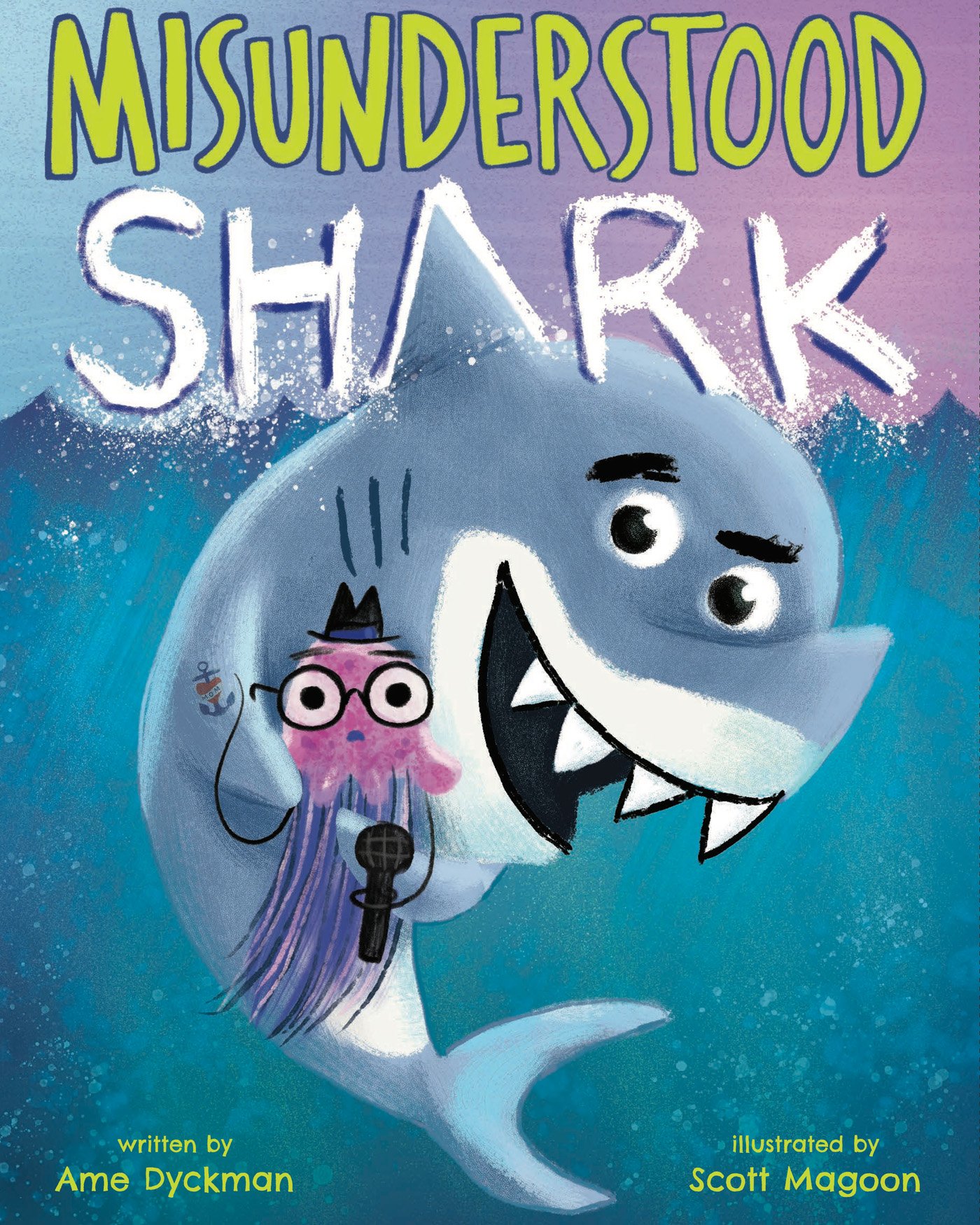
Evaluation of book: This hilarious title is told from the point of view of a TV reporter. The point of view allows for Bob, a jellyfish, to share a funny story about reporting underwater while also questioning the Shark that "interrupts" the show. The dialog and actions from Shark gives Bob opportunities to fit in true facts about sharks in this fiction book.
The visual elements of the dialogue in speaking bubbles add to the interest of the book. Placement of the text on the page and the size of the text makes the reading of the book fun. The tiny characters have tiny text and vice versa. When the text should be shouted or read with inflection, the text sometimes covers the whole page spread. The book mirrors the style of a graphic novel.
The illustrations really bring life to the characters. The facial expressions and chosen color schemes really help establish the feelings of the characters on each page. The dialogue is enhanced by the look or size or feeling that can be "read" through the illustrations. The illustrations tend to "move along" the plot as well. There are plot elements and actions that happen on through the images. The dialogue reinforces the story, but without the illustrations, the story would not be as amazing.
Justification: Misunderstood Shark is not found on any award-winning lists, but it would really attract the youngest readers to even late elementary. The mix of humorous dialogue and true facts about sea life would be a great asset to add to any library collection.
Conclusion: Ame Dyckman and Scott Magoon (illustrator) together created a fun, positive-reaction read to students through dialogue of a TV reporter and a shark. The book makes for a fun way to learn a few facts about sea life also.
Citation: Dyckman, A. (2018). Misunderstood shark. New York: Orchard Books.
New Kid by Jerry Craft
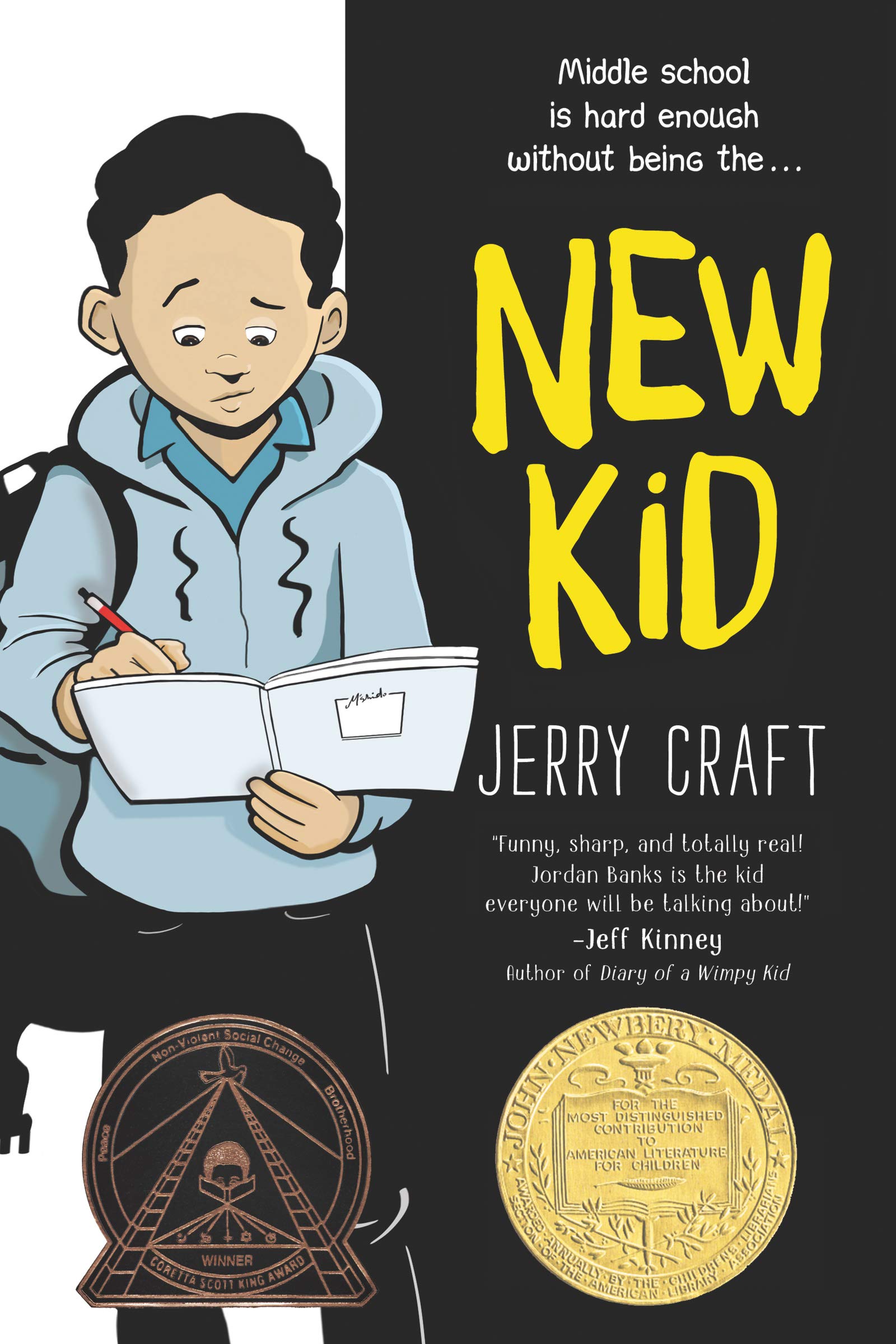
Evaluation of book: Jerry Craft does a wonderful job "showing" us the main character's thoughts and feelings. It is all about life at home and at a new school, being new and one of only a few people of color. His thoughts and actions are obviously going to be connectable to many readers. With that being said, I wished the book was not set in a private school and in a prestige neighborhood so more disadvantaged children would be able to connect with the characters.
The images in the book really tell us more about the character than the words do...or the dialogue with him and the people around him. Dialogue is a must in a graphic novel. I love how we see and read the inner thoughts of the new kid. Many kids that have had to move schools or be the new kid will get to totally connect with the characters for sure!
The pacing of the book was a hit for me. The short, choppy writing allows for a quick read, and the images really pull us in to stop and do more "reading." I really enjoyed the pages that were his mind-maps of a situation, such as the cafeteria hierarchy of where people are allowed to sit in a school cafeteria. Some pages read quickly and some pages can be read for a few minutes or longer through the text and images.
Justification: I found this book on the most recent Newbery Award winning list. As a future librarian, I think that any Newbery winner, or every Newbery Award winner will be a part of my school's collection. I also immediately saw that it was a graphic novel. These types of short reads with a lot of pictures are a hit with middle school students.
Conclusion: In conclusion, this award winning book is a great addition to any collection. The story of the young man of color will be great for middle schoolers to read to know they think of things the same way the main character does.
Citation: Craft, J. (2019). New kid. HarperCollins.
No More Poems! A Book in Verse that just gets Worse!
Evaluation of book: At first glance and read of the title, students that think that they do not enjoy poetry will be tricked into picking up this book. The illustrations on the front cover are very pleasing and engaging too. The poems cover totally fun topics such as sibling fights, farts, boogers, etc that are all very connectable with most children and hilarious.
The poetry all has a rhyme scheme and would make for wonderful poetry read aloud, memorized and recited. Poetry cadence is great for young readers and can become predictable text because of the rhyme scheme. There are a great deal of short poems mixed in with longer poems to make it a page-turner and a book that we would all remember our favorite poem is on what specific page.
The illustrations are cartoon-like. They definitely add to the stories told in verse. The reader can read or listen to the poems and then gather tons more entertaining details from the illustrations. I guess some may say the topics are a little questionable, including images, because there are funny things such as a yellow stream of pee and suffocating a sibling with a pillow. I see these as engaging young readers, but some may not see it as entertainment.
Justification: This book is a bluebonnet winner. The Bluebonnet award is set up with a list of potential winners, and then students around the country get to vote, so it sets adults at ease when purchasing a Bluebonnet winner. They will all obviously be of high interest to children.
Conclusion: This book of poems will call for lovers of poetry and people that say they hate poetry to read it again and again. They will be memorized, retold, used as writing craft lessons, and re-illustrated and talked about for weeks!
Citation: Miller, R. (2019). No more poems! A book in verse that just gets worse. New York: Hachette Book Group.

The Poky Little Puppy by Kristen Depken
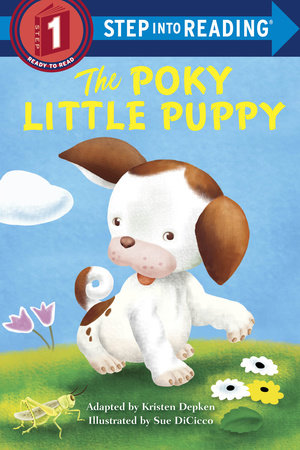
Evaluation of book: The puppies go on an adventure, through, up, over, under, and into scenes that young readers would recognize and probably already have the vocabulary for as they "read" through looking at the illustrations. This is an easy read with predictable text due to the coinciding illustrations. The colorful and simple illustrations reinforce the text on each page. The book does not explicitly state the setting, but the illustrations set the scene for the reader.
Short statements, often breaking the "rules" of a grammatically correct sentence, allow for the reader to read easily and probably almost memorize in order to read again and again. This includes the invention of a few words that create a rhyme! This could also be seen as a disadvantage of the book if we were looking for grammatically correct sentences for students to read and use as a writing model.
I enjoyed the use of the adjective "poky." I appreciate books that introduce a new word or two to the reader's vocabulary. The text includes early reader skills of counting and the use of prepositions. Repeating text is great for the early reader also. It is predictable about what might be said next in the book and they can "read" the images to help with text prediction as well.
Justification: This book was just a Walmart purchase without any awards list or recommended list suggestion. The cover's subject and colorful image on the front is eye-catching for any beginner reader. I also think that titles that "sound fun" due to the alliteration are popular with kids.
Conclusion: At a glance, this book may seem as if it has no merit being in a library collection, but as we work with developing readers, we have to think about the positive response the books get from readers. This book could be cherished by a puppy-lover that gains confidence in understanding the text on the page tells a story.
Citation: Depken, K. (2016). The poky little puppy. New York: Random House.
Police Officers by Cari Meister
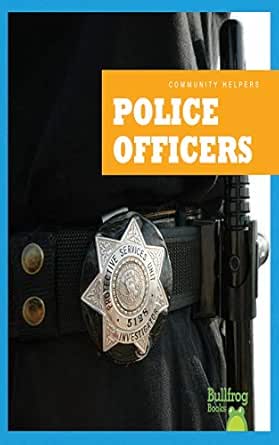
Evaluation of book: This is a great book with awesome examples of nonfiction elements. There is a table of contents, a picture glossary, and an index. The real photos for images help the reader as it matches the text on each page. The book covers the interesting topics of the profession of a police officer. There are graphic elements labeled for the reader to learn the facts of the setting and profession.
I see what the author was attempting here with an easy to read text. I believe it would be more educational if maybe sidebars with information about the images were included. I also decided the sequence of the book was a little off as a reader.
Justification: As a teacher and a mother of a young boy, this book has all "needed" aspects of being justifiable. The book's non-fiction elements allow for great reading skills and discussions. The positive reaction and interest in the subject of the book is important to the young reader.
Conclusion: Any parent or teacher will have the opportunity to share nonfiction facts with children through the reading of this book. Children will be excited to read about the popular topic.
Citation: Meister, C. (2016). Police officers. Minneapolis: Jump International.
The Runaway Piggy | El Cochinito Fugitivo by James Luna
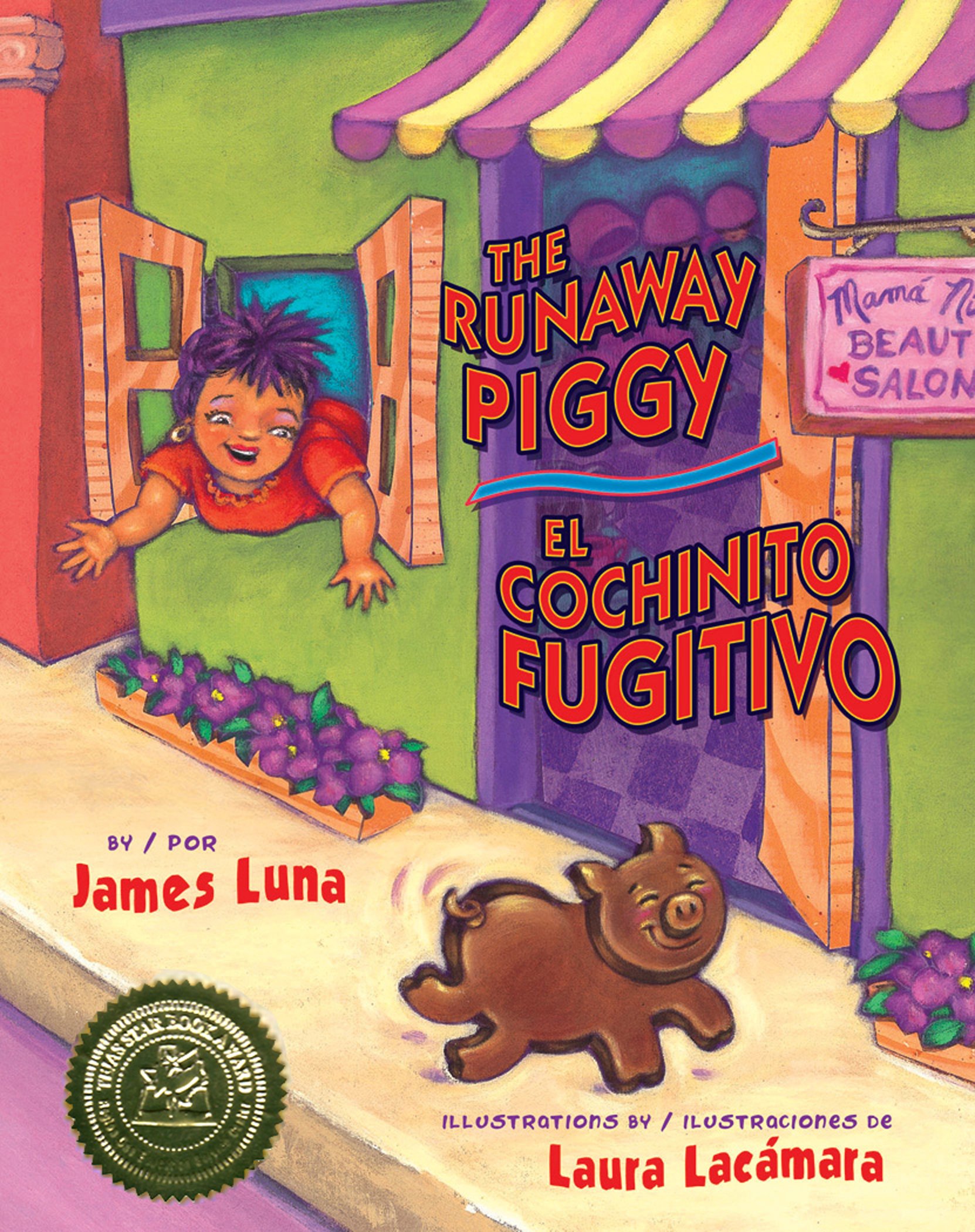
Justification: This title won the Tejas Star book award in 2011. Teaching and living in the panhandle of Texas, this bilingual book is important for Spanish speaking students to see themselves and their culture in a book.
Conclusion: This book can be shared in English or in Spanish. The illustrations are a great peek into the Spanish culture. The book ends in a fun recipe for the piggy cookie. Learning does not stop with the runaway cookie story that mirrors the traditional gingerbread man tale.
Citation: Luna, J. (2010). The runaway piggy/El cochinito fugitivo. New York: HarperCollins.
Who Were The Beatles? by Geoff Edgers
Evaluation of book: Accuracy of a nonfiction book makes it a quality read. This title includes small stories of influential people in music such as Elvis and Ray Charles. The author included snippets of a short biography of these people involved in the creation of the music and the Beatles.
The author does a great job explaining the time period and the excitement of the Beatles to young readers but would still be entertaining to someone that grew up a fan as well. The author writes as if the reader does not know the subject and/or time period and does a great job explaining the vocabulary we need as readers for full understanding.
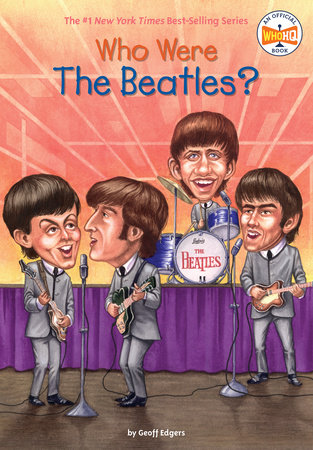
The black and white pencil illustrations add to the understanding of the facts. They move along the story of the Beatles well. The well-placed illustrations assist in the reader understanding the past, historical times being described in the book. The cover illustrations definitely are catering to the younger crowd and the black and white images inside are age-appropriately entertaining too.
Justification: The Who Was? series books are always great nonfiction books for kids to read and possibly use as reference books for a school project. The books have nonfiction elements such as Table of Contents, Timelines, Glossary, etc. This Beatles title also includes a Bibliography. These are a great asset to any collection.
Conclusion: Young readers can use the elements of a nonfiction book, skipping directly to sections of the book where the facts they need are located. This nonfiction book is written at a simple level where all readers can enjoy the factual story, with small little anecdotes about the famous subject throughout.
Citation: Edgers, G. (2006). Who were the Beatles? New York: Penguin Group, Inc.